Short anchors at The Grand
Along 2nd Street, anchors were kept short to stay clear of the active tunnel. Beside an existing retaining wall, walers transferred load from piles that could not be anchored to locations where tiebacks could be drilled.
 Cefali& AssociatesContact
Tiebacks support a shoring wall from the ground behind it and can keep the excavation open for foundation work. In Los Angeles, underground transit, existing retaining walls, neighboring property, and the building footprint can restrict the angle, length, or placement of an anchor.
Cefali & Associates has designed anchored support at Downtown and South Park sites where the same excavation required different details along different edges. The available ground, rights, and geotechnical criteria determine whether tiebacks can be used; bracing may be needed where they cannot.
Site conditions
Along 2nd Street, anchors were kept short to stay clear of the active tunnel. Beside an existing retaining wall, walers transferred load from piles that could not be anchored to locations where tiebacks could be drilled.
Seven rows of tiebacks supported the deep excavation. Near the Metro tunnels, preloaded rakers replaced the lower anchored support at and below tunnel level.
Cefali used Revit to coordinate three tieback rows at a reentrant corner and cased tieback shafts around the garage near Pico Station.
Published project work
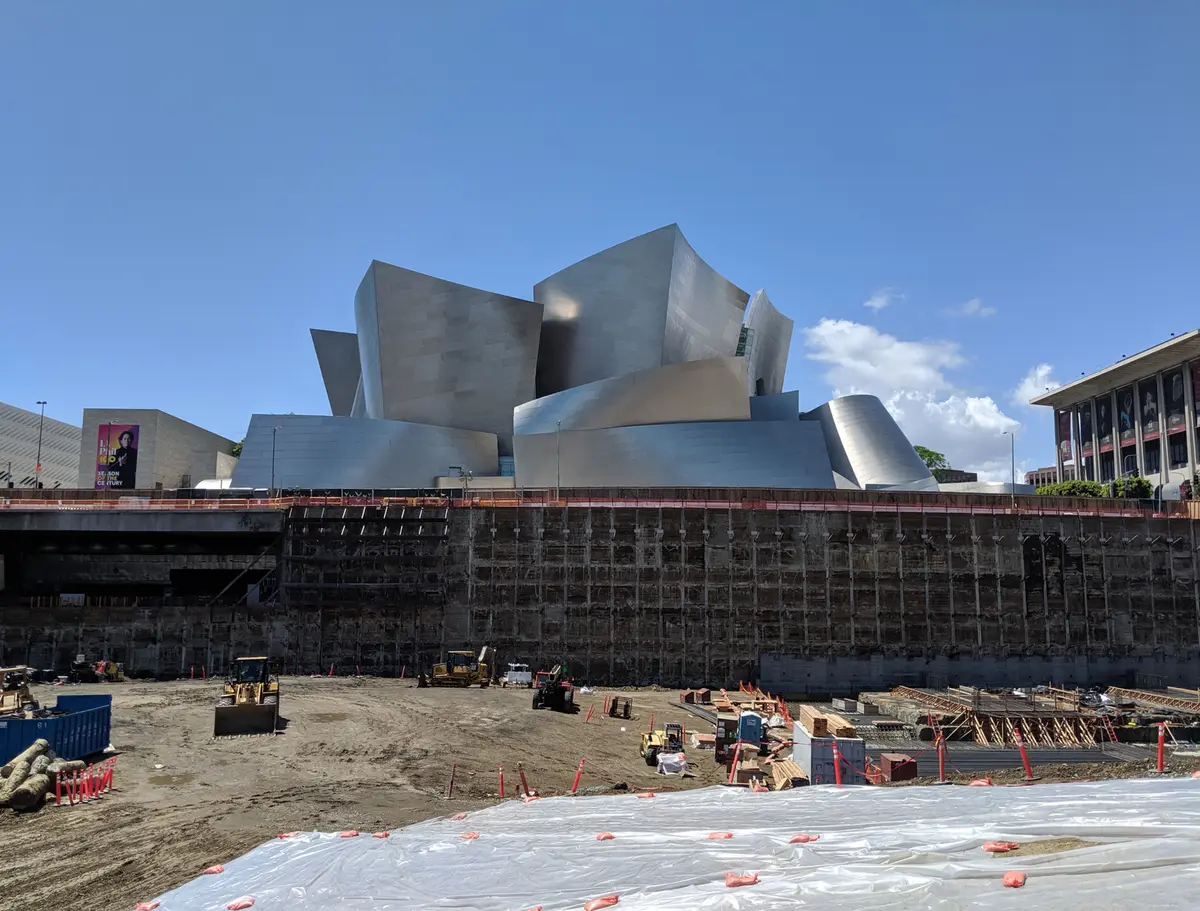
Short anchors and walers addressed the 2nd Street Tunnel and an existing wall.
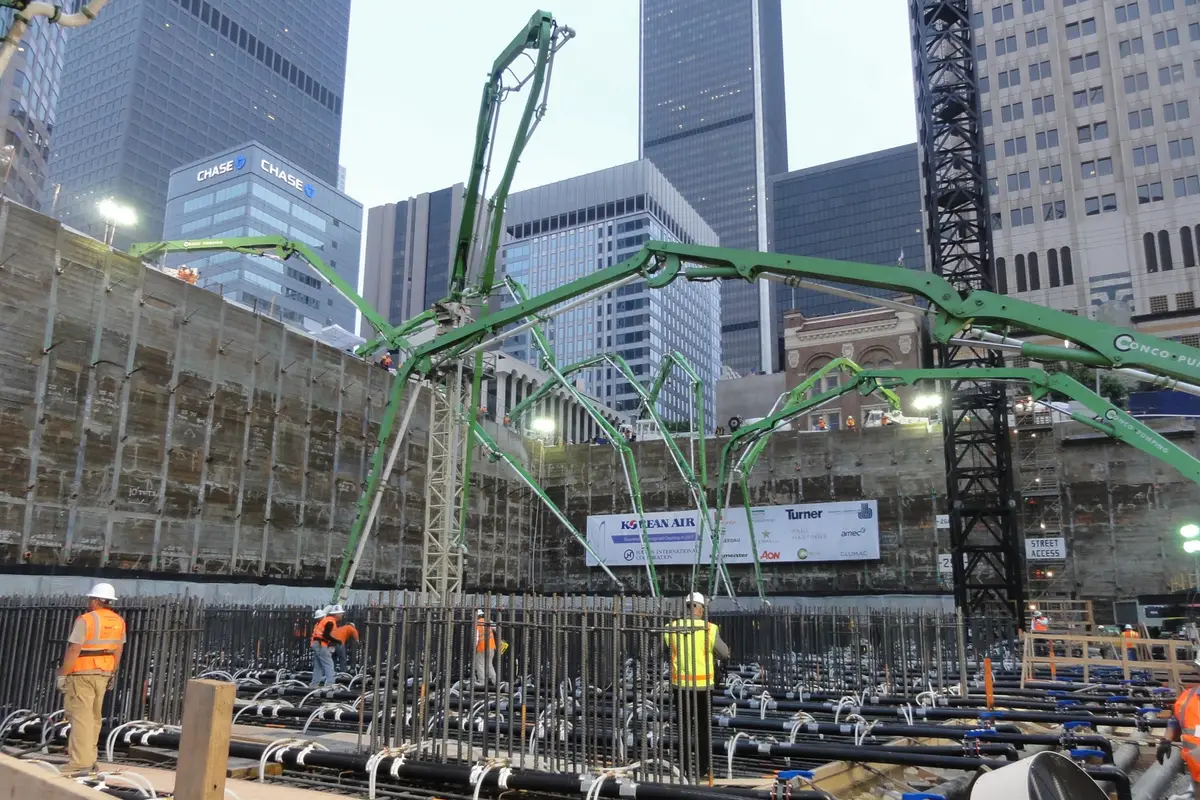
Seven tieback rows transitioned to preloaded rakers near Metro tunnels.
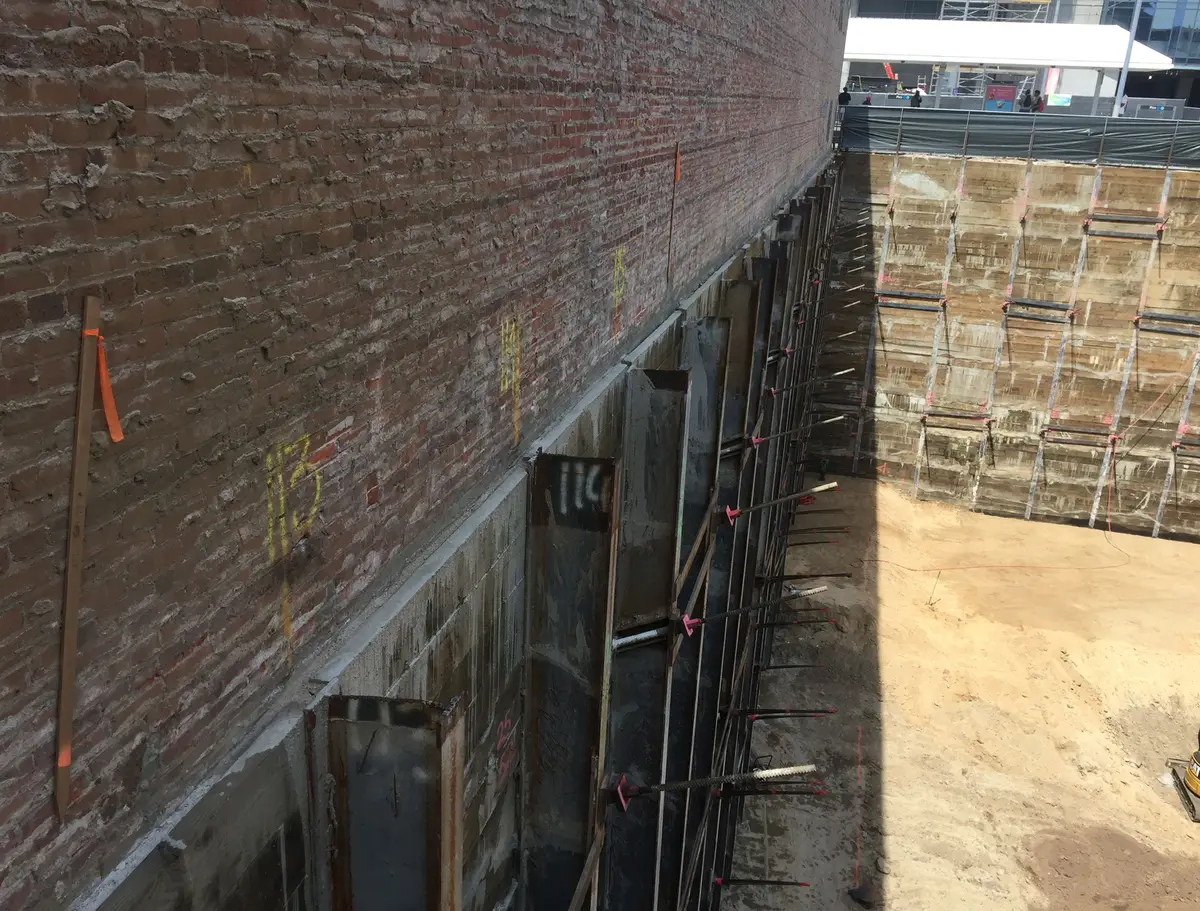
Three tieback rows were coordinated around a five-level garage near Pico Station.
Engineering scope
These projects show how excavation depth, neighboring structures, access, and the permanent work can change the support design. Your site needs its own geotechnical criteria and structural design. The contractor determines installation and construction means and methods.
Read more about tieback shoring or explore other published work in Los Angeles.