A cut that became deeper
At 6th & Bixel, the soldier piles stayed in place when petroleum-affected soil required more excavation. Additional tiebacks and walers supported the revised depth.
 Cefali& AssociatesContact
Soldier piles can hold a narrow excavation edge while foundations are built, but the piles alone do not settle the support scheme. As the cut deepens, tiebacks, walers, rakers, or internal braces may be needed to carry load without blocking construction.
Cefali & Associates has designed soldier pile support at Los Angeles sites where adjacent buildings, tight alleys, and changed excavation depths made each edge different.
Site conditions
At 6th & Bixel, the soldier piles stayed in place when petroleum-affected soil required more excavation. Additional tiebacks and walers supported the revised depth.
At 12th and Grand, tie rods connected soldier piles across a narrow alley where a conventional tieback layout could not fit.
At G-8 at Eighth and Grand, soldier piles supported a 40-foot excavation beside two historic buildings. Three rows of tiebacks and rakers braced the piles; an existing deep basement restricted where conventional tiebacks could fit.
Published project work
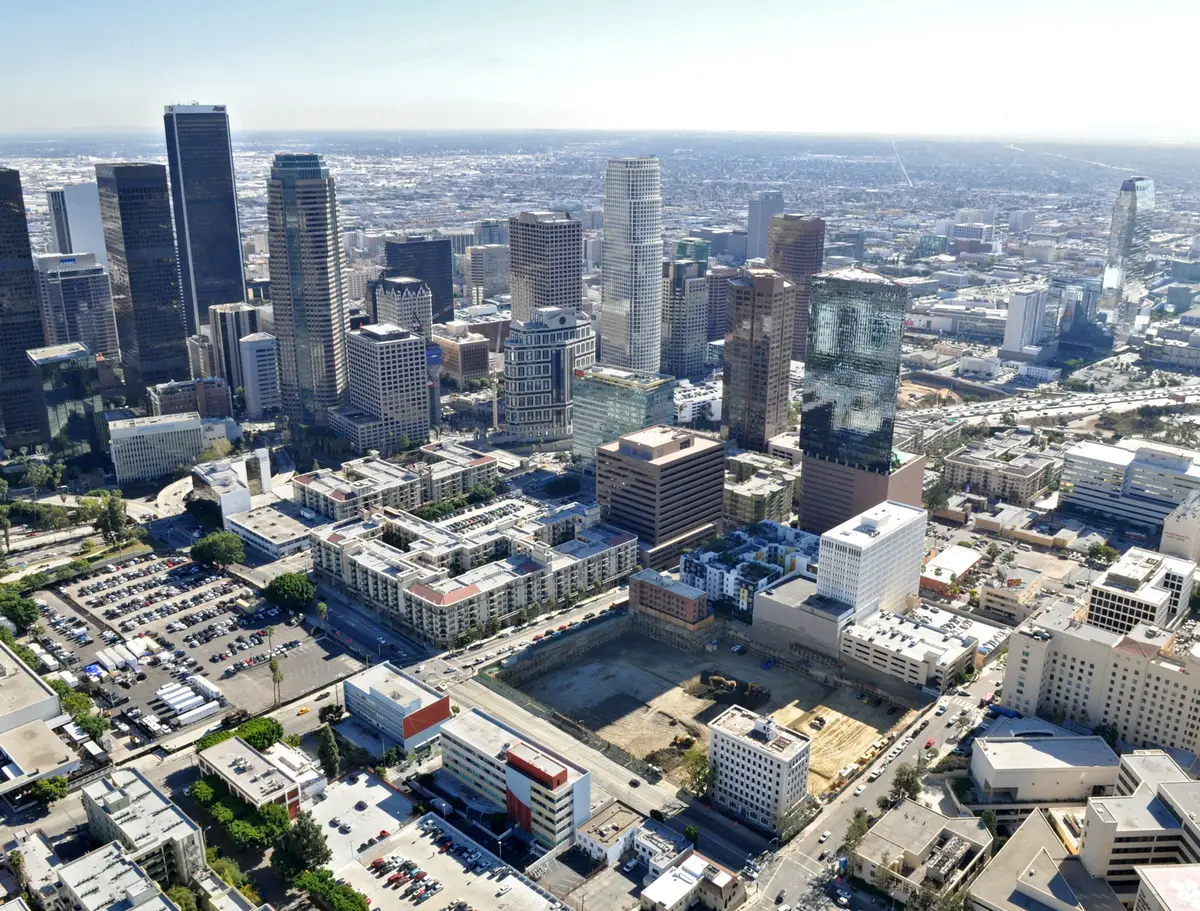
Soldier piles were supplemented with tiebacks and walers when a deeper cut was needed.
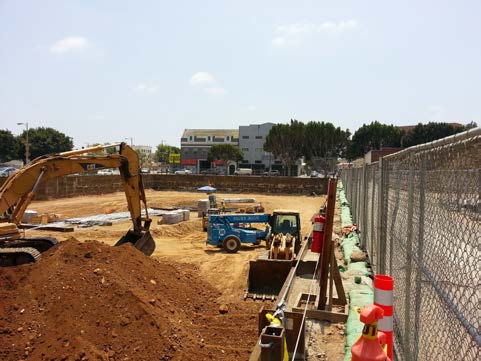
Tie rods connected soldier piles across a constrained South Park alley.
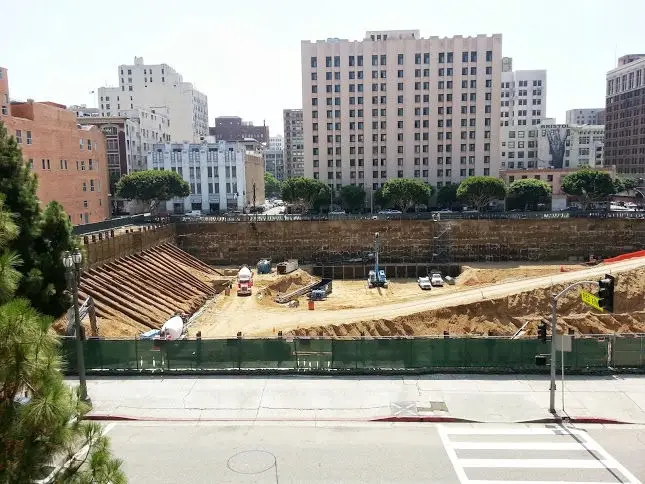
Tiebacks and rakers braced soldier piles beside historic buildings and an existing deep basement.
Engineering scope
These projects show how excavation depth, neighboring structures, access, and the permanent work can change the support design. Your site needs its own geotechnical criteria and structural design. The contractor determines installation and construction means and methods.
Read more about soldier pile shoring or explore other published work in Los Angeles.